
The Role of Luck in Gambling
Luck is often touted as a significant factor in gambling, where outcomes can be unpredictable and driven by chance. In many gambling scenarios, such as slots or roulette, a player’s success is largely reliant on random number generation or the whims of fate. These games are designed such that there is no skill involved; the outcome is entirely left to chance, making luck the decisive element. For instance, hitting a progressive jackpot on a slot machine may seem like a stroke of serendipity that can lead to a fast withdrawal casino uk experience that can change a gambler’s life in an instant.
However, the perception of luck can vary widely among players. Some believe that a “lucky streak” can enhance their fortune, while others dismiss the notion of luck altogether, relying instead on strategies and techniques. This belief in luck often drives gamblers to return to the table or machine, chasing that elusive feeling of fortune. It raises the question of whether luck is entirely random or if it can be influenced by factors such as timing, environment, or the psychological state of the player.
Research in the realm of gambling psychology suggests that players often attribute their wins to luck and their losses to bad luck. This cognitive bias creates a cycle of belief where a gambler who experiences a winning streak may think they are on a lucky streak, leading to increased risk-taking. Conversely, a string of losses can lead to feelings of despair and hopelessness, affecting future gameplay decisions. This dichotomy illustrates just how powerfully luck is perceived in the gambling world, shaping behavior and expectations.
Skill Versus Luck: A Fine Line
While luck plays a crucial role in games of chance, skill is undeniably essential in strategic games such as poker or blackjack. In these scenarios, players use their knowledge, experience, and analytical skills to maximize their chances of winning. Understanding probabilities, reading opponents, and employing optimal betting strategies can significantly alter the outcome of the game, demonstrating that skill can sometimes overshadow luck. Players who can meld both elements—luck and skill—often find themselves with an advantage, allowing them to play more confidently.
For example, seasoned poker players often develop a keen sense of when to bet or fold based on the cards they are dealt and their opponents’ behavior. While they cannot control the luck of the draw, their skill equips them with tools to capitalize on favorable situations and mitigate the impact of unfavorable ones. This highlights that while luck can indeed influence outcomes, it is a player’s skill that often sustains long-term success in more skill-based gambling scenarios.
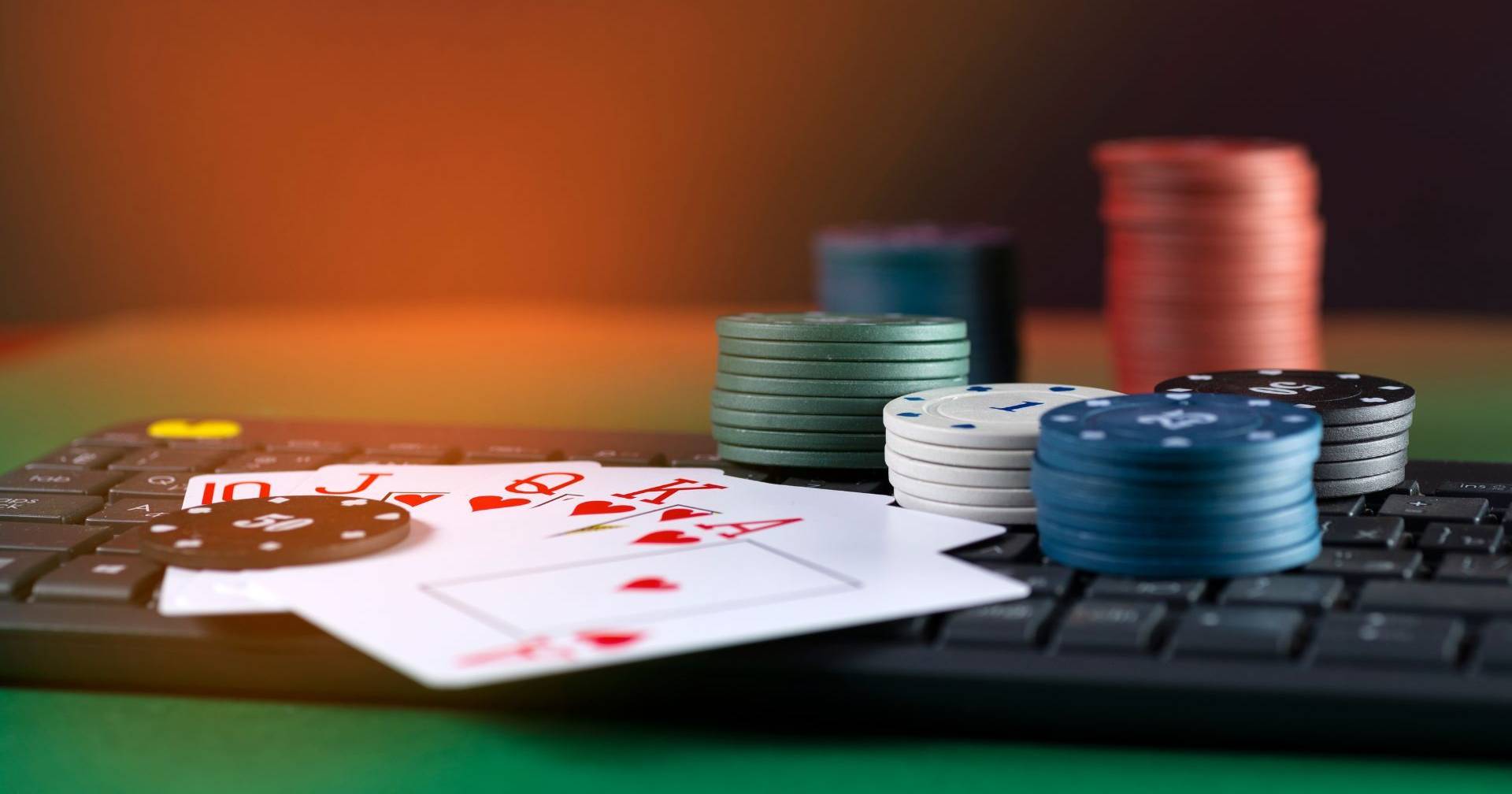
The relationship between skill and luck is further complicated when considering games with variable stakes and formats. Gamblers often need to adjust their strategies based on their current circumstances, such as the amount of money at stake or the type of opponents they are facing. This adaptability requires a blend of both luck and skill, showing that while luck may provide significant wins at times, consistent success often hinges on a player’s ability to maximize skill in harnessing that luck.
The Psychological Impact of Luck on Gamblers
The psychological effects of luck in gambling can be profound, influencing player behavior and decision-making processes. Gamblers frequently experience emotional highs and lows based on their perceived luck. When fortune favors them, they may feel invincible, leading to increased bets and risky behavior. Conversely, a string of bad luck can induce feelings of frustration and despair, causing players to chase losses irresponsibly. This psychological phenomenon is often referred to as the “gambler’s fallacy,” where individuals believe that past outcomes influence future results, despite their independence.
Moreover, the effect of luck can be a double-edged sword. Although a lucky streak can boost confidence and lead to increased play, it can also create unrealistic expectations. Gamblers who rely too heavily on luck may overlook the importance of strategy and discipline, ultimately jeopardizing their long-term success. Understanding how luck impacts emotions and cognition is critical for players aiming to maintain a balanced approach to gambling.
The interplay between luck and psychological factors is also reflected in the concept of superstitions prevalent among gamblers. Many players believe in rituals or lucky charms, which they associate with positive outcomes. Whether it’s wearing a specific shirt or tapping the table before a big win, these behaviors stem from the desire to influence luck, even if they have no statistical bearing on the actual game. Ultimately, recognizing and managing the psychological influence of luck can be crucial for a gambler’s long-term mental well-being and financial stability.
Chasing Luck: The Dangers of Gambling
The allure of luck can lead gamblers down a treacherous path, particularly when they begin chasing losses or relying on luck to dictate their gambling habits. This behavior can result in significant financial distress, as players may continue to bet in hopes of recovery, believing that luck will eventually turn in their favor. The “chase” often leads to escalating stakes and irrational decision-making, blurring the line between entertainment and addiction.

Responsible gambling emphasizes the importance of setting limits and recognizing when luck may not be on one’s side. Many gambling establishments promote this awareness, providing resources and support to help players understand the risks associated with their choices. By fostering a healthy perspective on luck and its role in gambling, individuals can mitigate the risks of problem gambling and make more informed decisions about their play.
Additionally, understanding the odds involved in various games can help gamblers make informed choices about which games to play. Though luck may play a role in short-term outcomes, knowing the odds can guide players toward making bets that are more likely to yield favorable results. This knowledge empowers gamblers to take control of their gaming experiences, balancing the inherent unpredictability of luck with awareness and responsibility.
Your Journey in Gambling
When it comes to gambling, finding an equilibrium between luck and skill is crucial for a fulfilling experience. While luck undeniably influences outcomes, developing a strategy that incorporates knowledge and understanding of games can enhance your enjoyment and success. Engaging with games while being aware of the risks associated with relying too heavily on luck can make for a more balanced approach.
Your attitude toward gambling and the factors shaping your decisions can significantly impact your overall experience. By adopting a mindset rooted in responsible gaming practices, you can better navigate the unpredictable waters of luck that accompany gambling. Remember that each game is a new opportunity, and while luck may change your fortune, informed decisions based on skill and strategy are essential for long-term play.
To further enhance your understanding of gambling and develop a balanced approach to luck, consider exploring resources dedicated to responsible gambling. Support networks and educational materials can help you navigate the complexities of luck, skill, and psychology, ensuring that your journey in gambling is both enjoyable and sustainable. Remember, the thrill of gaming should always be tempered with knowledge and responsibility for the best outcomes.